
Why Deadlifts Are the Ultimate Exercise for Strength and Posture
- Brandon Puterbaugh
- 6 days ago
- 3 min read

Deadlifts often get a bad reputation, but they deserve more credit. They are not just for powerlifters or bodybuilders. Anyone can benefit from deadlifts, especially if you want to improve your overall strength and posture in daily life. When done correctly, deadlifts engage your entire body—from your legs to your back and core. This makes them a powerful tool for building functional strength that helps with everyday activities like lifting groceries, moving furniture, or playing with your kids.
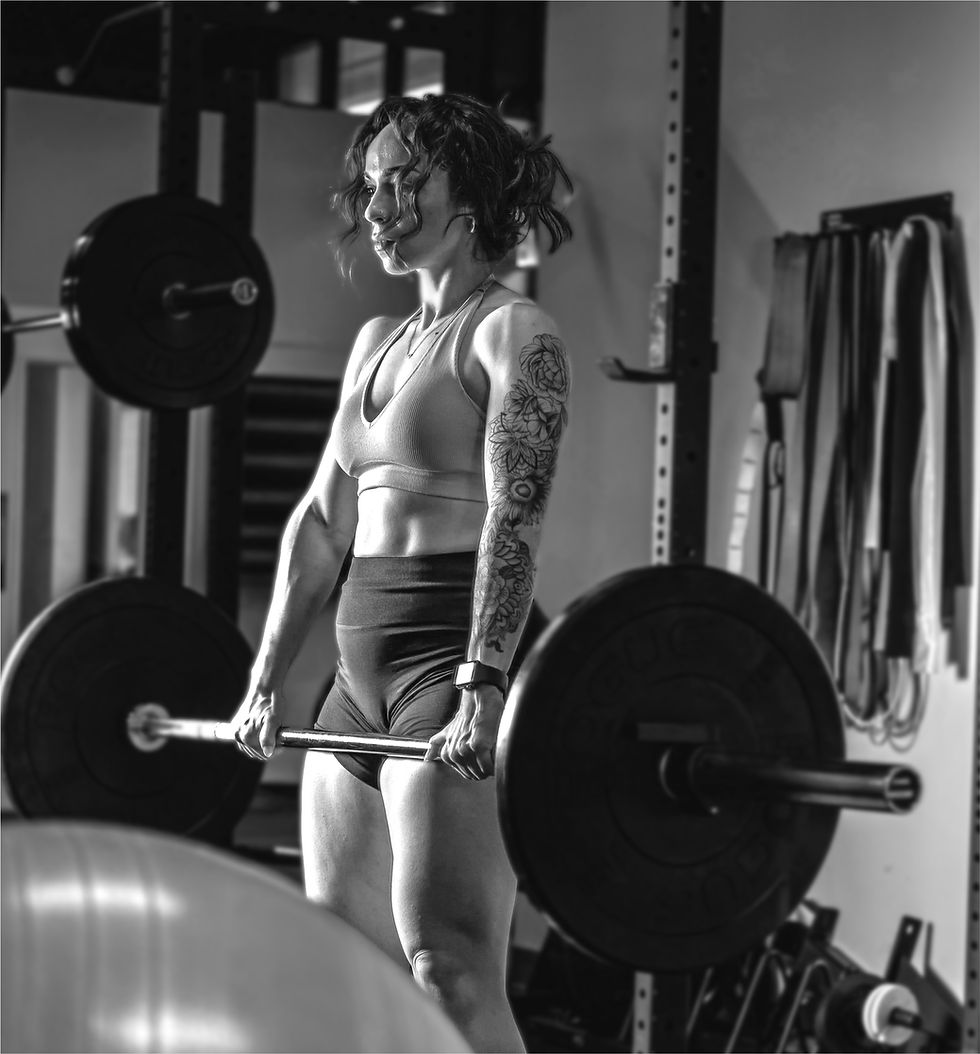
How Deadlifts Work Your Whole Body
Deadlifts are a compound exercise, meaning they work multiple muscle groups at once. This is why they are so effective for building strength and improving posture.
Legs: Your quadriceps, hamstrings, and glutes power the lift from the ground.
Back: The erector spinae muscles along your spine keep your back straight and strong.
Core: Your abdominal muscles stabilize your torso throughout the movement.
Grip and Forearms: Holding the barbell challenges your grip strength.
Shoulders and Traps: These muscles help keep the bar close to your body and maintain posture.
Because deadlifts engage so many muscles, they improve coordination and balance, which supports better posture and reduces the risk of injury.
Why Deadlifts Improve Posture
Poor posture often comes from weak muscles in the back and core. Deadlifts strengthen these areas, helping you stand taller and sit straighter. When your back muscles are strong, they support your spine better, reducing slouching and back pain.
Deadlifts also teach you to maintain a neutral spine during movement. This skill transfers to everyday activities, encouraging safer body mechanics when you lift or carry objects.
How to Perform Deadlifts Safely
Safety and proper form are key to getting the most from deadlifts without injury. Here are some tips to help you start:
Start Light: Use a light weight or even just a barbell to practice your form.
Feet Position: Place your feet hip-width apart with toes slightly pointed out.
Grip: Hold the bar just outside your knees with a firm grip.
Back Position: Keep your back flat and chest up throughout the lift.
Lift with Legs: Push through your heels and extend your hips and knees to stand up.
Bar Path: Keep the bar close to your body, almost dragging it up your shins.
Lower Slowly: Reverse the movement with control, maintaining good posture.
If you’re new to deadlifts, consider working with a trainer or watching instructional videos to ensure your form is correct.
Benefits Beyond the Gym
Deadlifts don’t just make you stronger in workouts—they improve your quality of life. Here are some practical benefits:
Easier Daily Tasks: Lifting heavy objects like groceries or furniture becomes safer and less tiring.
Better Athletic Performance: Stronger legs and core improve running, jumping, and other sports.
Reduced Injury Risk: Strengthening your back and core protects your spine and joints.
Boosted Confidence: Mastering a challenging lift builds mental toughness and self-esteem.
Common Deadlift Variations to Try
Once you’re comfortable with the basic deadlift, you can explore variations to target different muscles or add variety:
Sumo Deadlift: Wider stance with toes pointed out, focusing more on inner thighs and hips.
Romanian Deadlift: Emphasizes hamstrings and glutes by keeping legs straighter.
Trap Bar Deadlift: Uses a hexagonal bar for a more upright posture and easier grip.
Single-Leg Deadlift: Challenges balance and targets stabilizing muscles.
Each variation has its place depending on your goals and fitness level.
Tips to Build Confidence with Deadlifts
Many people feel intimidated by the barbell. Here’s how to build confidence:
Focus on Technique: Perfect your form before adding heavy weight.
Use Mirrors or Record Yourself: Visual feedback helps correct mistakes.
Progress Gradually: Increase weight slowly to avoid injury.
Ask Questions: Don’t hesitate to seek advice from trainers or experienced lifters.
Remember the Benefits: Keep in mind how deadlifts improve your strength and posture in daily life.
Deadlifts and Injury Prevention
When done correctly, deadlifts can actually help prevent injuries. Strengthening your back and core supports your spine and improves your body’s ability to handle stress. This reduces the chance of strains or sprains during physical activities.
Avoid injury by:
Never rounding your back during the lift.
Not lifting weights that are too heavy for your current strength.
Warming up properly before deadlifting.
Listening to your body and resting when needed.
Final Thoughts on Deadlifts
Deadlifts are a powerful exercise that benefits your whole body. They build strength, improve posture, and make everyday tasks easier. Starting with light weights and focusing on proper form will help you avoid injury and gain confidence. Over time, deadlifts can transform how you move and feel in daily life.


Comments