
Unlocking the Power of Fiber for Better Gut Health and Nutrition
- Brandon Puterbaugh
- 5 days ago
- 3 min read

Most people don’t get nearly enough fiber in their diets. On average, Americans consume only about 9 or 10 grams daily, while the recommended goal is closer to 30 grams. This gap matters because fiber plays a crucial role in maintaining gut health and overall nutrition. Understanding why fiber is so important and how to include more of it in your meals can lead to better digestion, improved heart health, and more balanced blood sugar levels.
Why Fiber Matters for Your Gut
Fiber acts like a natural broom for your digestive system. It helps food move smoothly through your intestines, which reduces bloating and prevents constipation. When your gut is happy, you feel better overall. Fiber also feeds the good bacteria in your gut, supporting a balanced microbiome that plays a role in digestion and immune health.
There are two types of fiber:
Soluble fiber dissolves in water and forms a gel-like substance. It slows digestion and helps regulate blood sugar.
Insoluble fiber adds bulk to stool and speeds up the passage of food through the gut.
Both types are important for keeping your digestive system running well.
How Fiber Helps Control Hunger and Weight
Fiber-rich foods take longer to chew and digest, which helps you feel full longer after eating. This fullness can reduce the urge to snack between meals, making it easier to manage your weight. For example, eating an apple with the skin on provides more fiber and keeps hunger at bay compared to drinking apple juice.
Fiber’s Role in Heart Health and Blood Sugar
Research shows that fiber can help lower cholesterol levels by binding to cholesterol particles and removing them from the body. This supports a healthy heart and reduces the risk of cardiovascular disease. Fiber also slows the absorption of sugar, which helps keep blood sugar levels steady and lowers the risk of type 2 diabetes.
Best Sources of Fiber to Include in Your Diet
Fiber is found mostly in plant-based foods. Here are some top sources:
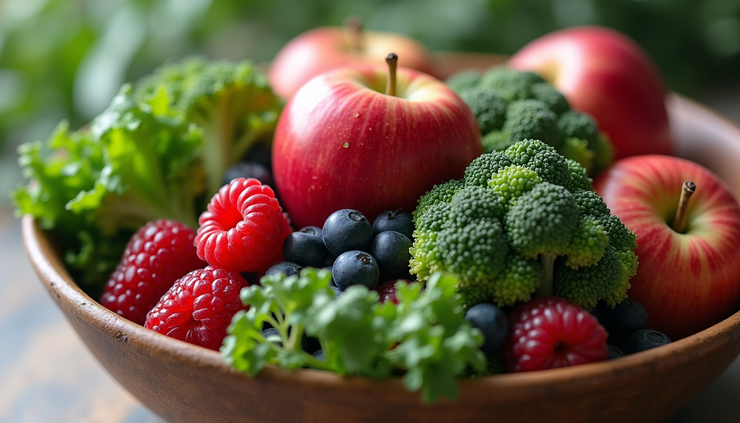
Fruits: Apples, pears, berries, oranges (eat the skin when possible)
Vegetables: Broccoli, carrots, leafy greens like spinach and kale
Legumes: Beans, lentils, chickpeas
Whole grains: Oatmeal, brown rice, whole wheat bread, quinoa
Try to include a variety of these foods daily to reach your fiber goals.
Simple Ways to Add More Fiber to Your Meals
Small changes can make a big difference. Here are some practical tips:
Add a side of steamed broccoli or carrots to your lunch or dinner.
Swap white bread for whole grain or whole wheat bread.
Mix beans or lentils into salads, soups, or pasta dishes.
Snack on fresh fruit with the skin on instead of processed snacks.
Start your day with a bowl of oatmeal topped with berries.
Tips for Increasing Fiber Without Upsetting Your Stomach
If you’re not used to eating much fiber, increase your intake gradually. Sudden large amounts can cause gas or bloating. Drink plenty of water to help fiber move through your digestive system smoothly.
Fiber and Your Daily Routine
Planning meals with fiber in mind doesn’t have to be complicated. Think about your plate and aim to fill half of it with fruits and vegetables. Choose whole grains over refined grains whenever possible. Keep a stash of nuts, seeds, or dried beans ready to add to meals or snacks.


Comments